Eyes on the Wrong Screen: How Peeking at Live Opponent Data Is Quietly Wrecking Team Performance
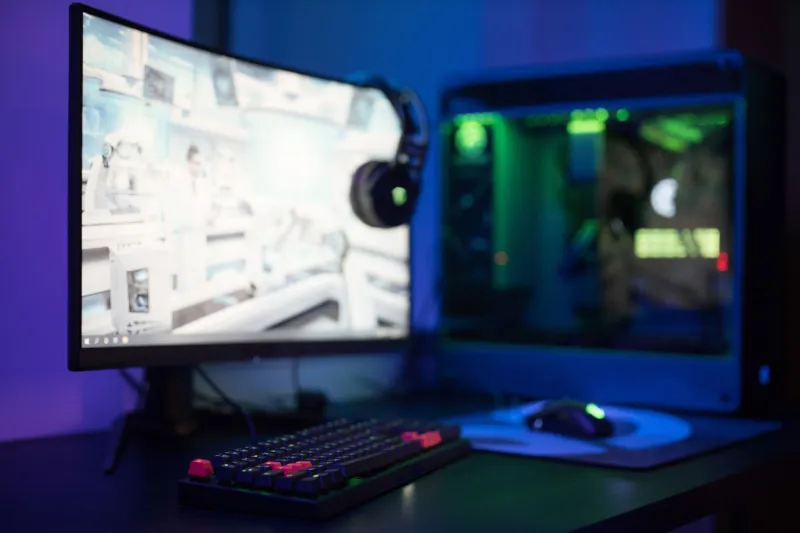
There's a laptop sitting just off to the side of a player's main rig. It's running a spectator feed — maybe a teammate's stream, maybe a broadcast delay of the match itself. The player tells themselves it's just for quick reference. A fast glance. Thirty seconds, tops.
That's how the habit starts. And according to coaches, sports psychologists, and competitive analysts who've watched it unfold across multiple titles, that's also how teams start losing games they absolutely should be winning.
The Tech That Made Peeking Possible
A few years ago, getting real-time information on your opponents during a live match was basically impossible unless you were physically watching over their shoulder. Today? It's almost effortless. Built-in spectator modes in games like Valorant, CS2, and League of Legends let anyone with the right credentials drop into a live match view. Streaming platforms serve up delayed-but-close-enough feeds. Tournament broadcast tools have gotten so sophisticated that positioning data, economy stats, and cooldown timers are all visible to anyone paying attention.
For analysts doing post-match breakdowns, this is genuinely fantastic. For a player in the middle of a live competitive match trying to sneak a look at where the enemy jungler is rotating? It's a trap dressed up as a strategic advantage.
What's Actually Happening to Your Brain
Sports psychologists have a term for what happens when an athlete voluntarily pulls their attention away from their primary task to process external information: attentional switching cost. And in high-speed competitive environments, the cost is steep.
Dr. Marcus Webb, a performance psychologist who's worked with traditional athletes and has consulted for esports organizations, puts it bluntly: "The human brain doesn't actually multitask. What it does is rapidly switch between tasks, and every time it switches, there's a recovery period. In a sport where decisions are happening in under a second, that recovery period is catastrophic."
The problem isn't just the moment of the glance. It's what happens after. Players who develop the habit of checking a secondary feed start unconsciously anticipating the next check. Their focus never fully re-engages with the primary screen. They're playing at 80% attention while believing they're playing at 100%.
Over time, that fragmented attention starts to rewire how players approach the game. Instead of reading in-game audio cues, map pings, and minimap data — the actual tools their team is communicating through — they start waiting for external confirmation. The in-game skill set atrophies because it's being bypassed.
Real Teams, Real Consequences
Without naming specific organizations (many of these incidents were shared off the record), coaches at multiple mid-tier North American orgs have described eerily similar patterns. A player on a rising roster starts watching opponent streams during scrimmage blocks "just to learn." The habit bleeds into live matches. Their reaction times stay technically sharp, but their decision-making in dynamic situations starts lagging. Teammates notice the player seems slightly out of sync — calling positions a beat late, rotating after the window has already closed.
In one case described by a head coach at a Valorant Challengers squad, a star fragger's kill-to-death ratio actually improved during the period he was suspected of monitor-peeking, because he was hitting shots on pre-aimed positions. But his clutch rate — performances in unscripted, chaotic situations where no external data could help — cratered. The team's win rate in close maps dropped from around 60% to under 40% over a six-week stretch.
"He was playing chess when we needed him playing basketball," the coach said. "Calculated, not reactive."
The Competitive Edge That Isn't One
Here's the uncomfortable part: the information gained from peeking is almost never as useful as it feels in the moment.
Live spectator feeds, even with minimal delay, are showing you a snapshot of positioning that's already changed. Economy reads from a broadcast are based on round-start data that your in-game HUD already gives you better context for. The "intelligence" gathered from a second monitor is stale, decontextualized, and — most importantly — it's pulling your attention away from the dynamic, real-time information your team is actively generating for you.
Your support is calling out rotations. Your IGL is adjusting the execute. Your own crosshair placement is giving you feedback on where the enemy might be holding. All of that is richer, fresher data than anything on that laptop. But the brain finds the external feed compelling because it feels like certainty — a bird's-eye view in a game where you're normally stuck at ground level.
It's the illusion of omniscience, and it's costing teams rounds.
How Elite Squads Are Locking It Down
The organizations that have gotten ahead of this problem aren't doing anything revolutionary. They're just being deliberate about environment control in a way that most teams haven't thought to formalize.
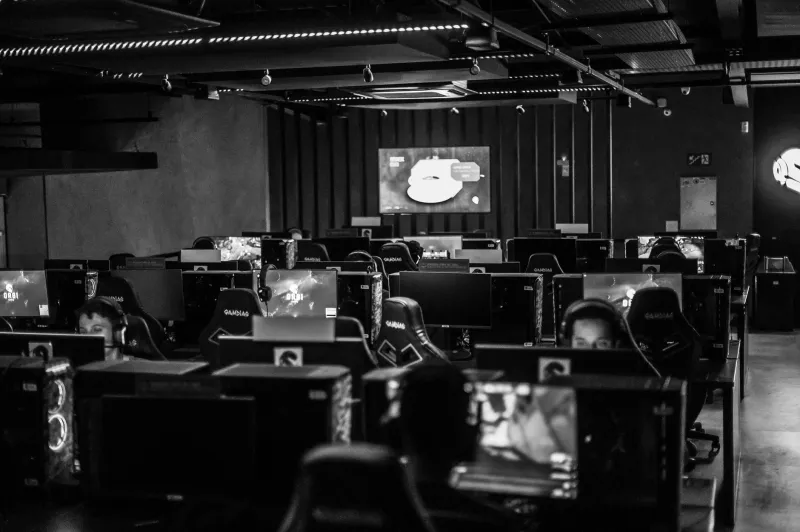
Several top-tier orgs have implemented what they internally call "information blackout" protocols for match days. Secondary devices are physically removed from player stations. Network access is restricted to game servers only during active competition blocks. Some teams go further during scrimmage periods, banning phones from the server room entirely.
But the more sustainable solution, coaches say, is mental — building what Webb calls "attentional anchoring" habits during practice. Players are drilled to identify their primary focus cues at the start of each round: minimap check, audio landscape, crosshair placement. The ritual creates a consistent mental entry point that crowds out the impulse to look elsewhere.
"You're basically building a habit that's stronger than the curiosity habit," Webb explains. "The goal is that looking away feels wrong — not because someone told you not to, but because your brain has been trained to recognize it as a disruption to your process."
The Bigger Picture for Competitive Teams
This issue sits inside a broader conversation about information discipline in esports — something that's gotten less attention than mechanical skill or tactical preparation, but matters just as much at the highest levels.
The teams dominating North American competitive scenes right now aren't necessarily the ones with the best individual players. They're the ones who've figured out how to keep five minds locked into the same real-time information environment, processing the same data, and making decisions together. Anything that creates a private information channel for one player — including a second monitor — is a leak in that shared cognitive space.
The second monitor feels like an advantage. It looks like preparation. But in the middle of a live match, it's just noise wearing a strategic outfit.
The best players know the difference. And the best teams make sure their players never have to make that choice in the first place.