Bench Warmers, Championship Losers: The Depth Chart Problem Quietly Costing Esports Teams Everything
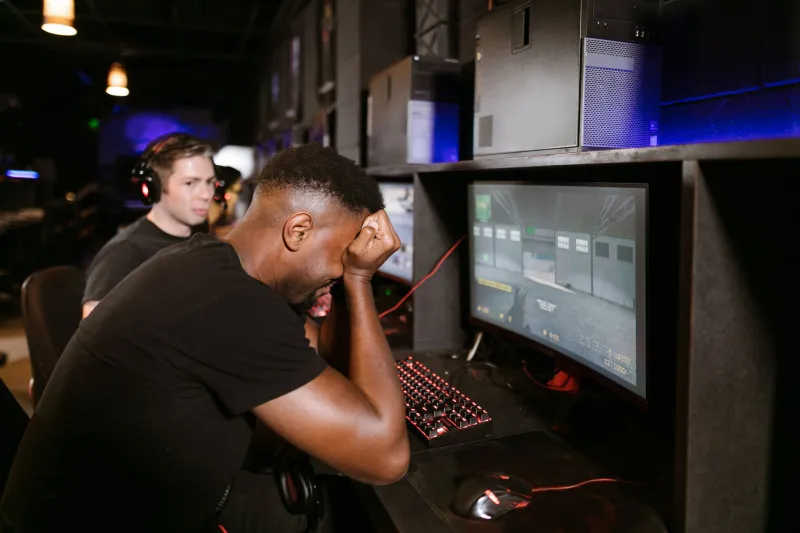
There's a moment every hardcore esports fan dreads. Your team's star player drops out of a playoff run — injury, burnout, visa issue, whatever — and the org wheels out the substitute. You already know what's coming. The backup hasn't scrimmed at this level in weeks. They're nervous, underprepared, and about to get cooked on the biggest stage of their career. The championship evaporates in real time.
This isn't a rare occurrence. It happens constantly across every major title — Valorant, League of Legends, CS2, you name it. And yet, somehow, organizations keep making the same mistake: treating bench players like afterthoughts instead of insurance policies on a $500,000 trophy.
The Star Player Trap
Here's the uncomfortable truth about how most esports rosters get built. An org identifies a marquee talent, signs them to a bloated contract, and builds a marketing campaign around their face. Then they fill out the rest of the roster with whoever fits the budget — including the backup slots, which usually get the absolute minimum investment.
This isn't unique to esports. Traditional sports franchises do it too. But in the NBA or NFL, depth charts get obsessive attention from coaching staffs. There are entire scouting departments dedicated to finding players who can step in without the team falling apart. In esports? A lot of orgs are still treating their sixth man like a practice dummy.
The financial logic makes sense on the surface. Star players drive viewership, merchandise sales, and sponsorship value. A backup Duelist in Valorant doesn't exactly move the needle on social media. So the money flows upward, and the depth chart quietly rots.
When It All Falls Apart
You don't notice the problem until a team is three rounds from a championship and their primary carry can't play. Then it becomes very obvious, very fast.
Think about how frequently roster disruptions actually happen in a competitive season. Players deal with wrist injuries from grinding hours. Mental health breaks are more common than organizations publicly admit. Travel complications during international events have knocked players out of critical matches. And when those moments hit, the substitute doesn't just need to fill a slot — they need to perform at a level that took the starter years to reach.
The gap between a team's first and second string in esports is often enormous. Not because the backup lacks raw talent, but because they haven't been given the reps, the resources, or the coaching attention to actually close that gap. They're practice targets, not genuine competitors in development.
The Two-Player System Revolution
Some organizations are finally waking up to this. A handful of forward-thinking teams — particularly in the League of Legends ecosystem and increasingly in Valorant's franchise structure — have started building what coaches are calling genuine two-player systems at every position.
The concept is straightforward: instead of one elite player and one filler, you develop two players who can each perform at 85-90% of peak starter level. The starter still gets priority, but the backup is actively coached, regularly rotated into scrimmage environments, and treated like a real competitive asset.
This approach costs more upfront. You're investing in player development across more roster spots, which means expanded coaching staff, more structured practice time, and yes, higher salaries for players who might never see the main stage in a given split. But the teams doing it are finding that the investment pays off in ways that go beyond just having a capable substitute.
When backups are developed properly, they push starters. Competition within a roster creates a performance pressure that external opponents often can't replicate. Starters who know their spot isn't guaranteed tend to show up differently in scrims.
The Developmental Pipeline Problem
Part of why depth charts stay shallow is that esports doesn't have a robust minor league system the way traditional sports do. There's no equivalent of Triple-A baseball where organizations can stash developing talent, run them through competitive reps, and pull them up when needed.
Academy rosters exist in some titles, and Riot's ecosystem has made real structural investments in this direction. But the pipeline between academy play and main roster readiness is still inconsistent. Players can dominate at the academy level and then completely freeze when the lights get brighter and the competition sharpens.
The organizations that are solving this aren't just relying on academy structures — they're creating internal competitive environments that simulate main roster pressure. Dedicated coaching for substitutes, film review sessions that include backups as active participants rather than observers, and regular strategy integration so that when a sub steps in, they already know the playbook cold.
What Championship Teams Actually Look Like
Look at the rosters that have sustained success over multiple seasons rather than just flash one title. The common thread isn't always the most individually talented starting five. It's depth. It's the ability to absorb a disruption and keep competing at a high level.
Teams that have built genuine roster depth tend to handle mid-season roster moves better, recover from player burnout faster, and maintain more consistent performance across a long competitive calendar. They're also harder to scout and counter, because opponents can't simply gameplan around one star's tendencies.
The esports organizations that have figured this out are treating their depth chart like a real competitive asset — not a cost center to be minimized. And when the moment comes where a starter goes down before a championship match, they're not watching a title slip away because of a decision made six months ago in a budget meeting.
The Fix Is Simpler Than You Think
This doesn't require a complete reinvention of how esports rosters work. It requires a mindset shift about what a backup player actually is. They're not a placeholder. They're a competitive hedge, a development investment, and in the best-case scenario, a future starter who's already been prepared for the moment.
Organizations that start treating bench players with the same intentionality they apply to their stars will build rosters that last. The ones that don't will keep getting exposed at exactly the wrong time — right when a championship is on the line and the player they never developed has to carry the weight of everything they ignored.
The depth chart isn't glamorous. It doesn't get the highlight reels or the sponsorship deals. But in a sport where one roster disruption can end a season, it might be the most important thing an organization builds all year.