Practice Champions, Tournament Ghosts: The Ugly Truth About Scrim Dominance
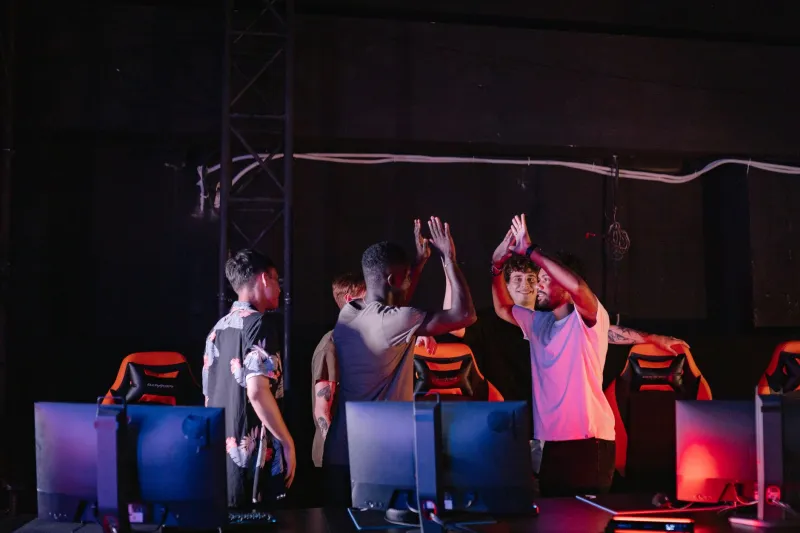
Every competitive team has been there. You run a two-week scrim block ahead of a major tournament, go something like 18-4 against respectable opponents, and walk into the event feeling like you've cracked the code. Then you drop your first two matches and spend the rest of the weekend wondering what went wrong.
Scrim dominance is one of competitive gaming's most seductive lies. It feels like progress. It looks like proof. And for a lot of rosters — especially younger ones still figuring out what they're actually capable of — it quietly sets the stage for one of the most demoralizing experiences in esports.
The Environment Problem Nobody Wants to Admit
Here's the thing about scrimmages that most teams don't fully reckon with until it's too late: they're comfortable. Even when both squads are trying hard, there's a ceiling on the stakes. Nobody's going home without a paycheck. Nobody's watching a bracket position evaporate in real time. The worst outcome of a bad scrim session is a rough VOD review and maybe some tension in the Discord.
Tournament play operates on a completely different frequency. The pressure isn't just psychological — it's physiological. Heart rates climb. Decision windows shrink. Communication patterns that felt natural in practice suddenly feel forced or get abandoned entirely under stress. Teams that have been running the same strat for two weeks in a controlled environment hit the tournament floor and discover their "automatic" plays aren't so automatic anymore.
Sports psychologists have studied this phenomenon in traditional athletics for decades. The concept of "pressure performance decay" — where skills that appear well-rehearsed degrade under genuine high-stakes conditions — is well-documented. Esports is no different, and arguably the gap between scrim performance and tournament performance can be even wider because the mental load in competitive gaming is so compressed. One misread, one mistimed ability, one breakdown in callouts, and a round is gone.
False Confidence Is a Roster Killer
The psychological damage that comes from over-relying on scrim results isn't just about one bad tournament run. It compounds. Teams that build their identity around being "the squad that dominates practice" start making decisions based on that inflated self-image — decisions about drafts, about opponent preparation, about how much time they spend shoring up weaknesses versus reinforcing strengths.
When those teams underperform in competition, the cognitive dissonance hits hard. Instead of diagnosing the real issue — that their scrim environment wasn't stress-testing them the way tournament play does — they often look for external explanations. The meta shifted. The bracket was unlucky. The other team cheesed them. Anything to preserve the mental model that says they're better than their tournament results show.
This is where false confidence stops being just a performance issue and starts being a roster chemistry issue. Players who believe they've been performing at a high level and then get exposed in competition tend to point fingers. Coaches who've been reporting strong scrim numbers to management get defensive when the question becomes why those numbers aren't showing up on the main stage.
Why Good Teams Deliberately Make Scrims Harder
The squads that consistently close the gap between practice performance and tournament performance tend to share one habit: they treat scrims like they're already losing.
This sounds counterintuitive, but it's a deliberate strategy. Rather than running polished, well-rehearsed compositions against familiar opponents, top-tier teams will intentionally put themselves in uncomfortable positions during practice. They'll run experimental drafts they're not confident in. They'll practice deficit comebacks. They'll scrim against teams whose styles are specifically designed to disrupt what they're comfortable doing.
Some orgs take this further by simulating tournament conditions as closely as possible — stricter time limits between rounds, communication rules that mirror on-stage protocols, even adjusting the physical setup of the practice space to reduce the "cozy home environment" feeling that makes scrims feel too safe.
The goal isn't to rack up wins. The goal is to build stress tolerance and expose weaknesses before the bracket does it for you.
The Opponent Familiarity Trap
There's another layer to this that doesn't get talked about enough: scrim partners know each other. Teams that regularly practice together develop a kind of muscle memory around each other's tendencies. You know how that IGL likes to open a round. You know which player on that roster overextends when they're up on the scoreboard. You know their default setups, their comfort picks, their tells.
That familiarity inflates your numbers in a way that won't hold up against a team you've never faced in a real match. Tournament opponents study you from the outside — from VODs, from broadcast footage, from analyst reports — and they're not carrying two weeks of subconscious adjustment to your playstyle. They're coming at you fresh, often with specific preparation designed to disrupt exactly what you've been perfecting in practice.
This is why some of the most stunning upsets in North American esports happen when a team with a glowing scrim reputation runs into a lower-seeded squad that just did their homework. The favorites were playing a version of the game they'd optimized for a familiar environment. The underdogs were playing the version they'd prepared for specifically.
What Actually Bridges the Gap
Scrims aren't useless — that's not the argument here. Structured practice is essential for building fundamentals, developing team synergy, and testing strategic concepts before they matter. The problem isn't scrimming. The problem is treating scrim results like a reliable preview of tournament performance.
The teams that handle this best tend to have coaching staffs that are genuinely skeptical of practice results. They use scrims as a diagnostic tool rather than a scoreboard. They're asking "what did we learn about our weaknesses" after a dominant session, not celebrating the win rate. They're building players who can execute under pressure, not just execute.
Mental performance coaching has become a real part of how serious esports organizations prepare for competition, and a big part of that work is specifically about breaking the psychological dependence on practice results. Teaching players to compartmentalize, to reset between rounds, to perform their process rather than chase outcomes — that's the stuff that actually shows up when the bracket drops.
Dominating your scrim block feels good. It should feel good. But the teams that are actually dangerous in competition are the ones who know exactly how much that feeling is worth — and how much of it they need to set aside when the tournament starts.