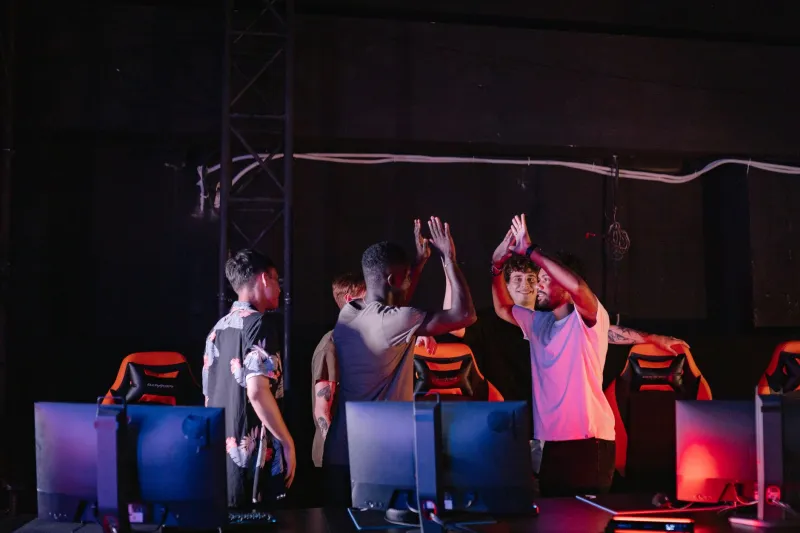
The Depth Chart Trap: How Keeping Backup Players Is Quietly Tearing Rosters Apart
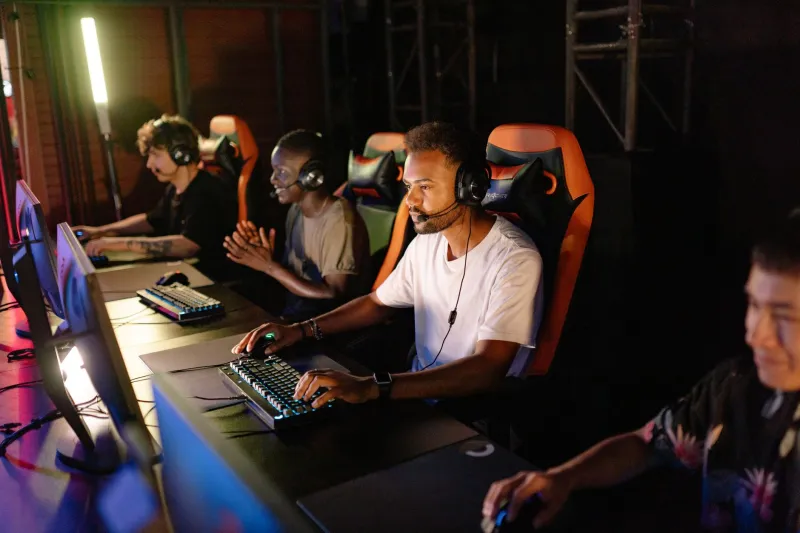
Every competitive organization loves the idea of depth. Football teams carry 53-man rosters. Baseball squads cycle players up and down from the minors all season long. The logic seems bulletproof: more bodies means more options, more resilience, more leverage. So when esports orgs started borrowing that same playbook, it felt like a natural evolution toward legitimacy.
Except esports isn't baseball. And that difference might be costing teams more than they realize.
Talk to enough former pros and coaches and a pattern starts to emerge—one that nobody in a front office really wants to admit. The moment you put a backup player on a roster, you've introduced a psychological variable that traditional sports depth charts were never designed to handle at the team-synergy level esports demands.
The Starting Five Problem
In most traditional team sports, roles are clearly delineated. The backup quarterback doesn't practice routes with the starting receivers every single day in the same tight-knit environment. There's physical and organizational separation that buffers the tension.
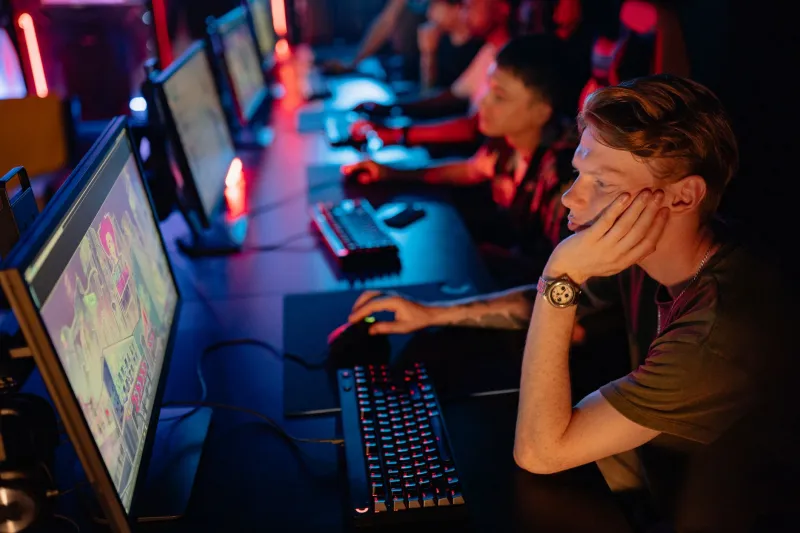
In competitive gaming, your substitute is sitting two feet away from you at a practice facility. They're running the same scrims. They're watching you make mistakes in real time. And they're waiting.
One former Valorant coach—who asked to remain anonymous because he still works in the industry—put it bluntly: "The sub isn't just a safety net. They're a constant reminder to every starter that their seat isn't permanent. You can feel it in the room. Guys stop taking risks in practice because they're afraid to look bad in front of management."
That fear of looking bad is where the real damage happens. Competitive gaming at the highest level requires players to experiment, fail, and adapt rapidly. When a starter feels like every scrim session is an audition, that experimentation disappears. You get players optimizing for optics instead of growth.
Communication Breaks Down First
Here's something that doesn't show up in any stat sheet: the quality of in-game communication between players who fundamentally trust each other versus players who view each other as competition for a single roster spot.
Callouts get vague. Players stop flagging their own mistakes during post-game reviews because admitting weakness feels dangerous. Strategy discussions become political rather than collaborative. Everyone's managing their image instead of solving problems.
A former CS:GO player who competed at the tier-two level in North America described it this way: "When we had a sub who was legitimately better than one of our starters at certain things, the whole vibe shifted. Guys weren't communicating the same way. Nobody wanted to be the one who looked like the weak link."
The irony is brutal. You built depth specifically to handle adversity, but the presence of that depth creates its own adversity—one that's invisible on paper and nearly impossible to measure until the team is already falling apart.
The Commitment-Based Alternative
Some smaller orgs and grassroots teams have stumbled onto something counterintuitive: locking in a five-person lineup with zero formal substitutes and making that commitment explicit and public actually improves performance.
When everyone knows there's no backup coming, accountability shifts. Players stop protecting themselves and start protecting the team. Mistakes get owned faster. Strategy sessions get more honest. The psychological safety that comes from knowing your spot is secure—not because you're untouchable, but because the organization has committed to this specific group—creates an environment where players can actually develop.
This isn't a perfect system. Injuries, burnout, and personal emergencies are real. But the point isn't that backup players are always harmful—it's that the way most orgs handle substitutes, without clear communication about roles and without deliberate management of the psychological dynamics involved, almost guarantees friction.
What Orgs Are Getting Wrong
The organizations that handle roster depth best tend to do a few specific things differently.
First, they're transparent about the sub's role before it becomes a crisis. There's a difference between a player who was recruited as a long-term development project with a clear timeline and a player who was signed as an immediate threat to a starter's position. Most orgs blur that line completely, leaving everyone to fill in the gaps with anxiety.
Second, the good ones separate the sub from the starting lineup's daily practice environment when possible. Not always, not entirely—but enough that the constant proximity doesn't become a pressure cooker.
Third, and maybe most importantly, they address the elephant in the room directly. Coaches who pretend the tension doesn't exist are making it worse. Acknowledging that having a backup creates real psychological dynamics, and then actively working to manage those dynamics, is the difference between depth being an asset and depth being a liability.
The Bigger Picture
Esports is still figuring out what it is. Organizations borrowed the depth chart concept from traditional sports without fully interrogating whether it translates cleanly to a format where five players need near-perfect synergy to compete at the highest level.
The answer, based on what coaches and former players are describing, is that it doesn't translate cleanly at all. The model needs adjustment, not wholesale abandonment—but the adjustment requires acknowledging that the psychological cost of substitution is real, measurable in team performance, and almost entirely ignored by the current conventional wisdom around roster construction.
Having a backup plan sounds smart. Building a team that doesn't need one might actually be smarter.
The bison doesn't hesitate at the edge of the herd. It commits to the charge or it gets left behind. Competitive rosters that commit fully—to their players, to their lineups, to honest communication about roles—tend to hit harder than the ones that hedge every bet with a warm body on the bench.
Something worth thinking about the next time an org announces a new "roster addition" and calls it a depth move.