Big Money Moves: How Legacy Sports Empires Are Taking Over North American Esports
Not long ago, competitive gaming was a scrappy, basement-born culture held together by passion, energy drinks, and a whole lot of hustle. Today? You've got billionaires in suits sitting courtside at esports arenas, writing checks with more zeros than most pro gamers ever dreamed of seeing. The suits have arrived — and they're not leaving.
North American esports has officially entered a new era, one where the money flowing into the scene rivals what you'd find in mid-tier traditional sports leagues. The question isn't whether this transformation is happening. It's whether it's good for the game.
The Cash Infusion Nobody Saw Coming (Or Did They?)
Let's rewind to around 2016-2017, when Riot Games launched the franchised League of Legends Championship Series model. That was the first real signal flare. Suddenly, buying into a league slot wasn't just a passion project — it was a business investment with a price tag to match. Teams like 100 Thieves, backed by Drake and Cleveland Cavaliers owner Dan Gilbert, became household names almost overnight. Team Liquid secured partnership with aXiomatic, a group that includes the co-owner of the Golden State Warriors.
The Activision Blizzard Overwatch League doubled down on this model hard, selling city-based franchise slots for reported figures between $20 million and $60 million. Owners from the NFL, NHL, and NBA didn't just dip a toe in — they cannonballed. The New England Patriots organization, the San Francisco 49ers, and the New York Mets all got involved in some capacity across various esports properties.
For the players, the immediate effect was undeniable: salaries went up. Guaranteed contracts, housing stipends, health insurance, dedicated coaching staff — things that used to be luxuries became baseline expectations at top organizations. A mid-tier League of Legends pro who might've scraped by on $60K a few years back could suddenly negotiate six-figure deals with benefits.
Infrastructure Upgrades and What They Actually Mean
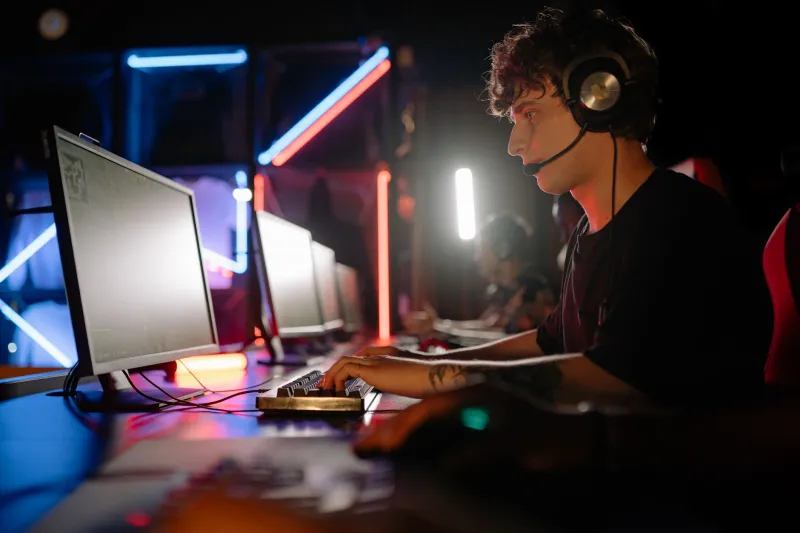
Walk into a modern NA esports team facility and you're not walking into a gaming house with pizza boxes stacked in the corner. You're walking into something that looks like an NBA practice facility's younger sibling. Performance centers with dedicated workout rooms, sports psychologists on staff, nutritionists helping players optimize stamina during marathon scrimmage sessions — this stuff is real now.
Team owners with traditional sports backgrounds know that athlete development is a long game. They're applying decades of professional sports infrastructure knowledge to gaming, and honestly, some of it translates surprisingly well. Sleep optimization, reaction time training, mental resilience coaching — these aren't buzzwords anymore. They're competitive advantages.
But here's where it gets complicated.
The Grassroots Problem Nobody Wants to Talk About
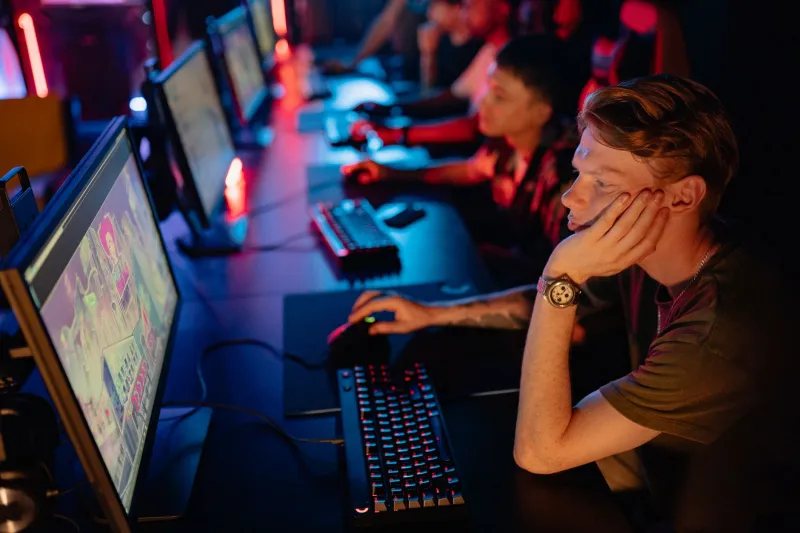
For every polished franchise facility, there's a local LAN event that can't find a sponsor. For every six-figure salary at a top org, there's a talented grinder from the Midwest who can't break through because the pathway to pro has gotten narrower, not wider.
Franchise models, by design, limit the number of spots available in top-tier competition. Open ladder systems and promotion/relegation formats — the kind that gave scrappy underdogs a fighting chance — have been replaced or sidelined in several major titles. The argument from league operators is that stability attracts investment. The counter-argument from grassroots advocates is that stability without mobility kills the competitive spirit that made esports worth watching in the first place.
Talk to anyone who came up through the amateur scene in North America and they'll tell you the vibe has shifted. Regional tournaments that used to feel like a legitimate launchpad now feel more like a dead end if you're not already connected to an established org.
"The ceiling got higher, but the floor also got higher," one semi-pro player who asked to remain anonymous told us. "If you're not already in the ecosystem, it's really hard to get noticed."
Competition Quality: Better or Just More Expensive?
Here's the honest take: the top tier of NA esports genuinely looks more professional than it did a decade ago. Production values are cinematic. Analyst desks feature actual analysts. Players arrive to events looking like athletes, not like they just rolled out of a dorm room.
But whether the competition itself has gotten sharper is a messier question. Critics point out that some franchised leagues have struggled with viewership, with several Overwatch League and Call of Duty League broadcasts pulling numbers that don't always justify the investment. Player development pipelines are still catching up to the infrastructure surrounding them.
The talent is there — North American players have proven they can compete at the highest global levels across multiple titles. The structural support around that talent is getting better. But the gap between franchised league players and the broader competitive community has widened in ways that create real tension.
What Comes Next for NA's Competitive Scene
The honest answer is: nobody fully knows. Some franchise models are thriving. Others have contracted, folded, or restructured. The esports business model is still being written in real time, and the traditional sports money that came in with grand ambitions has had to reckon with the reality that gaming audiences don't always behave like traditional sports fans.
What's clear is that the scene PlayBison's community cares about — the one built on genuine competition, on the thrill of watching someone outplay an opponent through pure skill and preparation — that scene isn't going anywhere. It's just wearing a nicer jersey now.
The challenge for everyone invested in competitive gaming, from the billionaire franchise owner to the kid grinding ranked queues at 2 AM, is making sure the business side of esports serves the competitive soul of it — not the other way around.
Because at the end of the day, the money is only interesting when it's producing great competition. And great competition is what we're all here for.