Five and Done: The Obsession With Roster Perfection That's Destroying Team Chemistry
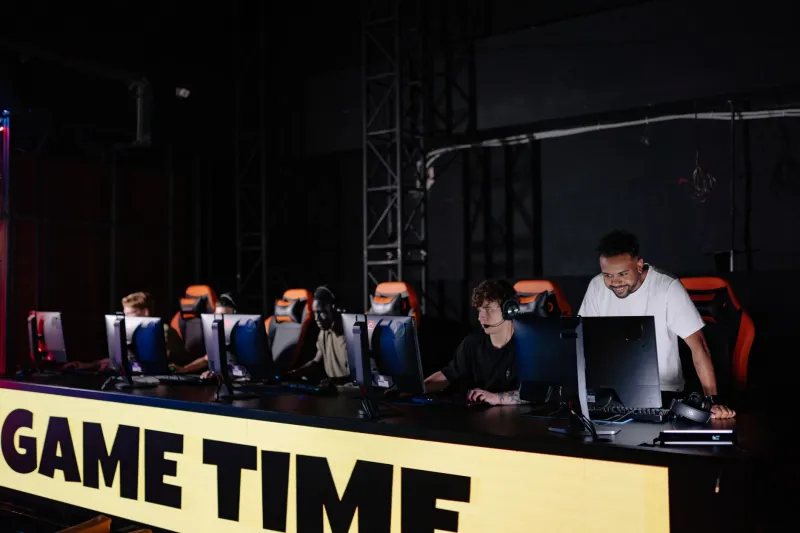
There's a particular kind of madness that grips esports organizations every off-season. The tournament ends, the dust settles, and instead of doubling down on the squad that just spent six months learning how to play together, the front office starts making calls. A player gets benched. A big-name free agent gets signed. A coach gets quietly let go. And just like that, the clock resets to zero.
Welcome to roster roulette — the competitive gaming industry's favorite self-inflicted wound.
The churn is relentless. According to data tracked across major titles like Valorant, League of Legends, and CS2, the average roster in a top-tier North American organization changes at least two players per year. That's not a rebuild. That's barely enough time to figure out who takes the last bullet in a clutch round before someone new is sitting in the chair.
The Superteam Myth
Every few years, an org decides it's going to shortcut the whole team-building process by just buying the five best players available and calling it a day. The logic sounds airtight on paper. Great players equal great team. Simple math.
Except it almost never works.
The history of esports is littered with superteams that imploded before they ever reached their potential. Stacked rosters that looked unstoppable in the transfer announcement tweet and then proceeded to underperform at every major event that actually mattered. The problem isn't individual talent — it's that raw skill doesn't automatically translate into synchronized decision-making under pressure. Competitive gaming at the highest level is less about who has the fastest aim and more about whether five people can think like one unit when the round is on the line.
Building that kind of cohesion takes time. It takes repetition. It takes a shared language of callouts, tendencies, and trust that only develops through grinding out hundreds of hours together. You can't buy that in free agency.
The Financial Pressure Cooker
Here's where it gets complicated, though. Orgs don't shuffle rosters purely out of impatience or bad judgment. There are real financial forces pushing them toward constant change.
Sponsor contracts often tie performance clauses to tournament placements. Miss the playoffs two seasons in a row and suddenly the jersey deal is in jeopardy. Investors who came into esports expecting rapid growth are watching metrics and asking uncomfortable questions. The business side of competitive gaming creates a pressure environment where patience isn't just scarce — it's sometimes genuinely unaffordable.
So when a team finishes fifth at a major instead of top two, the instinct to make a move — any move — becomes almost impossible to resist. Doing nothing feels like doing nothing. Making a signing at least looks like action.
The result is a feedback loop where short-term thinking constantly sabotages long-term development. Teams never get the runway they need to actually grow because the financial clock is always ticking too loud.
Meta Shifts and the Moving Target
There's another layer to this that's unique to esports and doesn't have a clean equivalent in traditional sports: the game itself keeps changing.
In the NFL, the fundamental rules of football aren't going to get patched overnight. But in Valorant or League of Legends, a single balance update can completely flip which playstyles are viable, which roles matter most, and which player archetypes a team actually needs. Organizations aren't just trying to build a roster — they're trying to build a roster that fits a meta that might look completely different in three months.
This creates a legitimate argument for roster flexibility. If your entire strategy is built around a playstyle that just got nerfed into the ground, you might actually need to make changes. The problem is that orgs often use meta shifts as cover for moves that are really about panic or ego rather than genuine strategic adaptation.
The Dynasties That Actually Lasted
It's worth looking at the teams that bucked the trend, because they exist — and their success tells a pretty clear story.
The rosters that actually built dynasties in North American esports almost universally share one trait: they stayed together long enough to become genuinely uncomfortable to play against. Their opponents couldn't just study a few VODs and figure them out because they had developed layers of tendencies, counters, and adaptations that took months to accumulate. They had inside-joke-level communication. They knew exactly how each teammate would react in a high-pressure moment before the moment even arrived.
That kind of cohesion doesn't show up in a player's individual stats. You can't scout for it in a tryout. It only exists on the other side of a long, unglamorous process of playing together through losses, adjustments, and the occasional locker room blowup.
The organizations that figured this out — that treated roster stability as a competitive asset rather than a sign of complacency — tended to win more. Funny how that works.
The Ego Problem Nobody Wants to Talk About
Let's not pretend this is all about business pressures and meta shifts, though. Ego plays a massive role in roster instability, and it runs in multiple directions.
Star players who feel underutilized push for changes. Coaches who want to put their stamp on a lineup make moves that are more about establishing authority than improving the team. Front office executives who got hired with big promises feel pressure to justify their salaries by being visibly active in the roster market.
And then there are the players themselves, many of whom are in their early twenties, highly competitive, and not always great at separating personal frustration from genuine team dysfunction. A rough patch becomes a reason to demand a trade. A personality conflict that could be worked through with some actual communication instead becomes a roster move.
The teams that win tend to have organizational cultures where these ego dynamics get managed rather than acted on. That requires strong leadership — from coaches, from veteran players, from the front office — that can tell the difference between a problem that needs solving and discomfort that needs enduring.
Stop Spinning the Wheel
The competitive gaming industry is still young enough that bad habits haven't fully calcified yet. There's still time for organizations to learn from the pattern.
The teams that are going to build sustained success in the next five years probably aren't going to be the ones that made the splashiest off-season moves. They're going to be the ones that identified a core worth believing in, gave it time to develop, and had the discipline to resist the urge to blow it up every time results got bumpy.
Roster roulette feels like action. It generates headlines, hype cycles, and social media engagement. But championships aren't won in the transfer window. They're won by five people who've played enough games together that they don't have to think — they just move.
Stop spinning the wheel. Let the team breathe.